
Competition in the made-to-order beverage sector intensifies: QSRs accelerate expansion, convenience stores still hold the advantage
As consumers view beverages as affordable indulgences amid economic pressure, competition between QSRs and convenience stores in the made-to-order beverage space is intensifying. Brands like McDonald's and Whataburger are introducing innovative products, while convenience stores such as 7-Eleven and Wawa continue to lead with established systems. Industry experts suggest that convenience stores should learn from QSRs' menu innovation and digital operations to strengthen their own advantages.
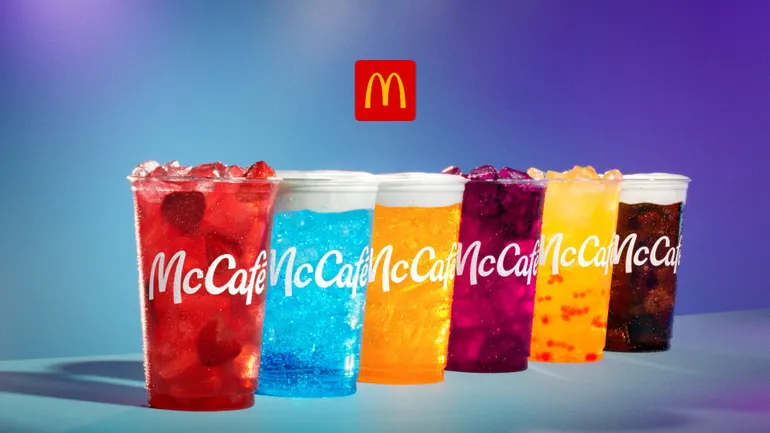
Despite fast-food chains (QSRs) like McDonald's and Whataburger accelerating their innovative made-to-order beverage offerings, convenience stores (c-stores) still maintain their first-mover position in this space.
McDonald's recently added refreshers and craft sodas, including flavors like Dirty Dr. Pepper and Mango Pineapple, inspired by its beverage concept store CosMc's, which closed in 2025.
Sonic, McDonald's, Chick-fil-A, and Whataburger are all expanding their refresher, flavored soda, lemonade, float, and handcrafted-style beverage offerings. Suzy Badaracco, president of culinary insights firm Culinary Tides, notes this is because consumers increasingly view beverages as an affordable indulgence they can justify during times of economic pressure.
Badaracco added, "What QSRs are doing well right now is treating beverages as a destination category rather than an afterthought. They are building beverage programs around customization, novelty, limited-time rotations, visual appeal, and social sharing."
After launching refreshers and lemonades last summer, Whataburger added a Strawberry Hibiscus Whatafresher flavor this spring.
Much of the innovation at QSRs centers on refreshers. According to Datassential, the refresher category on QSR menus has grown 267% over the past decade. Huy Do, trend expert and research and insights manager at Datassential, said, "At the operator level, 54% of operators offering refreshers report sales growth over the past year."
Beyond refreshers, the fastest-growing non-alcoholic beverage options on QSR menus are cold brew, cherry limeade, and ginger beer, Datassential found.
However, convenience store chains have long been leaders in the made-to-order beverage space. For example, 7-Eleven has been a beverage destination for years with its iconic Slurpee frozen drinks and Big Gulp cup sizes.
Do said QuickChek, Wawa, Sheetz, and GetGo are also leading the way, expanding made-to-order beverages beyond traditional soda fountains and standard coffee.

For example, QuickChek has delved into specialty coffee shop-style drinks like boba lemonades, refreshers, matcha, oat milk lattes, dragon fruit drinks, and pistachio drinks, as well as Red Bull-infused options.
Do said Wawa has built proprietary platforms like Rechargers and cream smoothies, while Sheetz holds a strong position in cold brew and seasonal coffee innovation. Buc-ee's creates a destination beverage experience with large soda walls, coffee, iced tea, frozen drinks, and more.
7-Eleven told C-Store Dive that it continuously introduces limited-time flavors and collaborations to keep the Slurpee beverage experience fresh. Recent examples include the Nerds Strawberry Gummy Rope Slurpee launched late last year, and the Sour Patch Kids Watermelon and Fresca Zero Sugar Slurpees introduced earlier this year.
The company said, "These brand collaborations leverage nostalgic fan-favorite flavors that drive strong customer engagement."
Big Gulp beverages continue to serve as a core platform for variety, value, and personalization, with customers choosing from a wide range of fountain drinks and customizing through size, flavor selection, and mixing. 7-Eleven emphasized, "This platform also reflects the broader beverage preferences we see, including interest in zero-sugar options, fruit flavors, and functional refreshment."
7-Eleven noted that private brand innovation also plays a key role in beverages, such as the 7-Select Replenish Zero Orange Mango sports drink.
Moving beyond traditional soda is becoming the industry standard. Last summer, QuikTrip launched a revamped made-to-order beverage program. Its "Bevolution" program now covers most locations, featuring updated soda fountains, tea, and frozen drink machines. Each fountain dispenser can offer all flavors, providing up to 40 options, including non-carbonated drinks like Powerade.
Do said energy drink blends have seen multiple recent launches in the convenience store space, with Wawa's proprietary Recharger line and collaborations with brands like Monster and Red Bull leading the trend.
According to Datassential, lemon is the top flavor in recent convenience store beverage launches, followed by pumpkin spice. Do noted that boba has also become an unexpected area of innovation, with 20 convenience store boba beverage launches over the past two years, surpassing the 17 from QSRs in the same period.
Thanks to innovation and unique products, U.S. consumers are flocking to convenience stores for beverages. According to Datassential's January 2026 convenience store theme report, 62% of consumers purchased a pre-made cold, frozen, or hot drink during their most recent convenience store visit. This makes pre-made beverages the most frequently purchased category at convenience stores.
How convenience stores can better respond in the beverage competition
While convenience stores have advantages, they cannot ignore the growing competition from QSRs. Do emphasized, "Convenience stores don't need to panic, but they absolutely should stay attentive."
He added that since 2020, QSRs and fast-casual brands have undergone a true transformation, competing on speed, digital access, menu quality, value, and experience simultaneously. As a result, the gap between restaurants and convenience stores has narrowed.

Convenience stores can learn from QSR menu innovation. In 2025, top limited-service restaurant chains had over 3,000 menu launches, up from about 2,700 the previous year. Do said, "Convenience stores don't need to match that pace, but borrowing QSR ideas around limited-time offerings, seasonal beverages, and value bundles can keep assortments fresh and drive incremental visits."
Badaracco advises convenience store chains to leverage seasonal beverage rotations rather than relying on static soda fountain programs, and to add customization and mixing options. She also noted they can create "more visually distinctive, social media-worthy drinks."
Badaracco also suggests expanding functional beverages into the made-to-order space and building a stronger emotional positioning around beverages as an affordable treat.
Growing evidence shows consumers are using beverages for mood management and seeking experiences. She noted that even financially strained consumers continue to make selective indulgent purchases. Badaracco said, "Consumers may cut back on full meals or big-ticket purchases, but many will still spend on a customized refresher, flavored soda, energy drink, or functional beverage that feels rewarding without being financially irresponsible."
Convenience stores can also benefit from making beverages more convenient for grab-and-go. Many restaurant brands have redesigned operations around off-premise dining, such as Panera's rapid pickup and Starbucks' mobile order-ahead model. Do said, "For convenience stores, this means mobile ordering, order-ahead pickup, and dedicated pickup zones."
Do emphasized that convenience stores have structural advantages QSRs cannot replicate, such as an impulse-driven operating model. "The opportunity for convenience stores is to leverage these strengths while borrowing QSR discipline in brand identity, occasion design, and digital engagement."
Ultimately, Badaracco said, the chains most likely to win the beverage war are not necessarily those with the largest soda fountain systems, but those that can rotate flavors faster, naturally integrate the functional benefits customers want, understand afternoon and snack-driven occasions, and create drinks consumers want to talk about, photograph, and share.