
Global Flavors: New Growth Opportunities for Convenience Stores
Global-flavor foods (including imported products and localized international cuisines) are growing strongly in food retail, with 82% of category growth coming from this segment. If convenience stores combine demographic trends, seasonal occasions, and health attributes, and systematically arrange their cold cases, shelves, and fresh-food areas, they can achieve sustained sales growth.
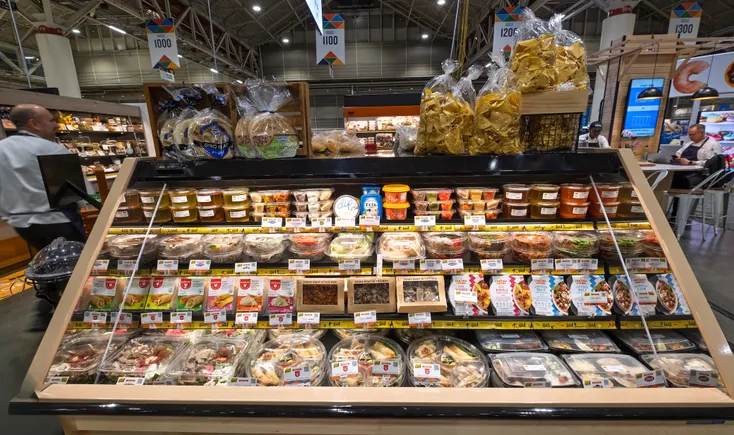
For convenience store managers seeking to expand their food and foodservice offerings, an emerging trend in grocery retail is becoming increasingly apparent and applies equally to the convenience store setting—Global Foods. When strategically positioned, this category can be a clear growth highlight.
Global Foods includes both imported products and local products inspired by international cuisines. For example, it encompasses jarred Korean kimchi imported from Seoul, as well as locally produced or freshly prepared ready-to-eat Korean BBQ items.
During a recent webinar hosted for the International Dairy Deli Bakery Association (IDDBA), Nick Lenzi, Senior Vice President of Marketing at Lipari Foods, shared data highlighting the Global Foods trend and its opportunities for convenience stores. He noted that overall food retail growth has been largely flat in recent years, yet 82% of category growth during the same period came from Global Foods.
Global Foods Leads Growth
According to Lenzi, over the past few years, two Global Foods sub-segments have stood out in terms of category growth. Mexican, Central American, and South American products together represent a $16 billion market with a three-year growth rate between 6% and 8%; Middle Eastern and Mediterranean products have achieved year-over-year growth of 7% to 11%.
What is the common reason these cuisines are so popular? They benefit from long-term demographic trends in the United States, as well as strong consumer perceptions of health and freshness.
Winning in the Store Perimeter
These sub-segments perform well across various in-store areas, but the strongest performance often occurs in the store perimeter, especially in refrigerated and perishable categories. Categories such as yogurt drinks, specialty cheeses, bread, and prepared foods have higher turnover rates than shelf-stable grocery items.
Lenzi shared a test result: a six-foot refrigerated Middle Eastern display (containing 37 SKUs) generated nearly 60% of that category's sales, while outperforming a 20-foot dry shelf. He explained that shorter shelf life drives repeat purchases, thereby increasing purchase frequency and basket size.
Focus on Demographics and Seasonality
U.S. demographic trends also support the long-term growth of Global Foods. By 2028, an estimated 21% to 26% of the U.S. population is projected to identify as Hispanic. Additionally, states such as California, Michigan, New York, Texas, and Florida have significant Middle Eastern populations. In fact, southeastern Michigan is home to one of the largest Arab American communities outside the Middle East. By understanding these demographic trends and how they are reflected in local markets, operators can tailor their Global Foods assortment to match specific customer needs.
Furthermore, Lenzi pointed out that there is significant opportunity in demand fluctuations tied to seasonal and cultural occasions. For example, during Ramadan, sales of Middle Eastern products in major retail channels grew by 35% over the past three years. This demand is concentrated in dairy, bakery, nuts, dried fruits, and protein products. Preparing in advance and seizing the timing of these transitions is key to capturing this growth.
Global (and Premium)
The growth of Global Foods is also driven by premium attributes. Products positioned around function and lifestyle outperform traditional items. Lenzi stated, "Products with a healthier profile are capturing a larger share of consumer spending."
For example, digestive health products (including prebiotic and probiotic products) have grown over 17% year-over-year; clean label, organic, and sustainability-focused products have grown nearly 14%; gluten-free and plant-based products continue to see strong growth across several global segments.
These attributes resonate strongly with younger consumers. Millennial and Gen Z shoppers are eager to try new flavors while prioritizing high-protein, nutrient-dense, and responsibly sourced products. In other words, Global Foods is not just an ethnic category—it is a quality-driven category that aligns with broader consumer values.
Driving Growth with Global Foods
Global Foods has moved beyond niche status and is becoming a point of differentiation, representing one of the most consistent sources of growth in food retail. Lenzi said, "When you look at the volume growth and percentage growth over the past few years, recognize that 82% of the growth that retail food experienced came from global brands. Recognize that this is a very important area."
Global Foods is a clear opportunity for convenience stores, especially those looking to strengthen or establish fresh and prepared food programs. However, success requires a systematic approach. Operators should integrate global products across ambient, refrigerated, and frozen displays, and add fresh prepared items to further drive customer visit frequency.
Convenience store operators who can strategically tailor their assortment, emphasize premium attributes, and execute effectively in the store perimeter can turn this demand into sustained sales growth.
For more resources, visit IDDBA.ORG
To view the full webinar, visitCapitalizing on the Growth of Global Foods. For additional tools to accelerate the growth of your foodservice and merchandised food offerings, visitiddba.org. There, you can also learn about IDDBA membership and its benefits, including discounted admission to IDDBA 2026—the association's annual show that brings together over 10,000 retail food industry professionals.