
How Convenience Stores Can Build a Better Sandwich Product Line
Sandwiches hold a significant position in convenience store foodservice, with sales reaching $6.9 billion in 2024 and projected to grow to $8.6 billion by 2029. Operators are improving freshness and appeal through streamlined SKUs, LTO launches, and optimized supply chains and packaging.
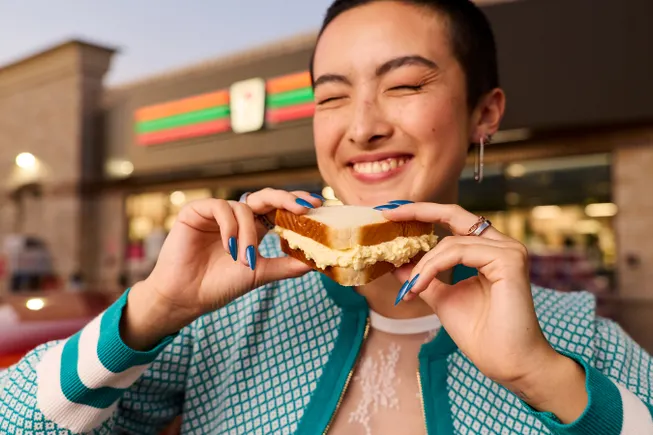
According to Circana data, sandwiches account for about a quarter of convenience store foodservice sales. This is not surprising, as sandwiches can be made with a variety of ingredients and come in many forms.
Market research firm Technomic data shows that total sales of sandwiches, wraps, and handheld foods at convenience stores reached $6.9 billion in 2024. Even more encouraging for operators, this figure is expected to grow to $8.6 billion by 2029, a compound annual growth rate of 4.5%.
Sandwiches "are king," said Maurice Lamarche, vice president of retail operations at Tiger Fuel Company in Charlottesville, Virginia, which operates 10 The Market convenience stores. Its stores use par-baked French bread for sandwiches, baked fresh daily, which also adds an enticing aroma to the store.
Fireside Marketopened a food-focused store in Slinger, Wisconsin, in October, offering a variety of made-to-order hot sandwiches. Peter Juzenas, director of operations at Potawatomi Ventures, which owns the chain, said freshness cues are an important factor.
The store features a rotisserie for pastrami, which not only intrigues customers but also shows shoppers that all food is made in-house.
Balancing variety and SKU control
When it comes to sandwiches, more options are not necessarily better. Tiger Fuel recently reduced its standard sandwich lineup from 25 to 13 items to simplify the work of foodservice employees and reduce the variety of ingredients needed in stores.
However, offering a diverse selection is crucial to a sandwich program, said Donna Hood Crecca, senior principal at Technomic. "In fact, the majority of convenience store prepared food buyers (78%) prioritize variety and choice when deciding which convenience store to visit."
This diversity should include popular categories consumers expect, as well as healthy or better-for-you options—a priority for 56% of in-store customers—and also innovative products, which 53% of shoppers seek, she explained.
The range of sandwiches offered by convenience stores "should also span from indulgent to healthy, and from low-price to high-price, to meet the needs of customers with different dietary needs and economic backgrounds," noted Darren Tristano, CEO and founder of consulting firm Foodservice Results.
Achieving this diversity does not require starting from scratch. Last July, McLane Company, a major convenience store distributor, launched itsNational Central Kitchen Program, delivering fresh food to convenience stores. Through its Central Eats brand, it supplies pre-made grab-and-go cold items such as sandwiches, subs, wraps, and sliders with a seven-day shelf life and no artificial additives. The wholesaler also offers a core base sandwich line and limited-time offers (LTOs), adding novelty to classic styles, especially appealing to younger consumers.
"Retailers seek operational convenience and a certain profit margin," said Anne Hughes, director of culinary and central kitchen products at McLane. "They want the core line to attract consumers, but consumers are also willing to try different flavors and formats—so we might offer a ham and cheese sandwich with spicy pickles."

Limited-time offers (LTOs) keep things fresh
To keep its sandwich program appealing, Tiger Fuel introduces a limited-time offer each quarter. Lamarche explained that in the past they launched one monthly, but that frequency was too hard to sustain.
Hood Crecca noted that LTOs are very important, saying, "An emerging trend is that consumers are increasingly turning to convenience stores to satisfy specific food cravings, and 'craveability' is becoming a driver of convenience store food purchases."
Tristano said that since convenience store operators typically want to reduce SKUs, offering fewer sandwich varieties but more customization options makes sense. But he added, "LTOs remain very important for highlighting seasonal ingredients and comfort foods."
Ideally, LTOs and regional specialties should use the same core ingredients as the standard sandwich line to control SKU counts and storage needs. This could mean that a variant sandwich only requires adding one sauce to achieve.
"This gives retailers the opportunity to add variety using familiar and popular products," Hughes said.
Sales drivers
Technomic data shows that in 2024, made-to-order sandwiches were the most popular subcategory, accounting for 29% of sandwich sales. Sandwiches from the hot case accounted for 28% of sales, while cold grab-and-go sandwiches accounted for 19% of sales.
Tiger Fuel serves sandwiches all day, but they are especially popular between 10:30 a.m. and 2:30 p.m. Many shoppers order sandwiches online, and these orders are "overwhelmingly" custom. In-store, shoppers tend to choose from the menu.
But breakfast sandwiches "fly out of the store," said Nico Robinson, the company's culinary program manager, including biscuit sandwiches, wraps, and burritos.
Sandwiches are also very popular in catering, which is a busy business for Tiger, in the form of bag lunches or signature sandwich trays containing 10 assorted sandwiches.

Ingredients to avoid
While almost anything can go between two slices of bread, some ingredients convenience stores should avoid. Avocado turns brown, tomatoes soften bread, and mayonnaise does not hold up well. So Tiger typically does not use these ingredients.
"We want every customer who walks in to enjoy the freshest quality," Robinson said.
Before launching the Central Eats sandwich brand, McLane conducted extensive shelf-life research and found that the order of sandwich fillings is very important. Hughes noted they studied how to layer meats to reduce moisture transfer to the bread or tortilla.
She added that transparent packaging is also important so consumers can see the quality with their own eyes.
Fireside Market developed its sandwich program—including what to offer, what maintains quality, and the best packaging—by talking with third-party chefs, competitors, and potential customers to learn what works and what does not.
"High-quality packaging and sandwich construction designed for a convenient, crumb-free eating experience are essential," Hood Crecca said. "Given current trends toward premium ingredients and sauces, stacked meats, and other indulgent, social-media-worthy sandwiches, this is not easy."