
Functional snacks are reshaping the grab-and-go category in convenience stores
Grab-and-go snack decisions in convenience stores are often made within seconds, but the intentions consumers carry—more protein, recognizable ingredients, better nutritional balance—are significantly transforming this category. Bel Brands is launching Babybel Pro, a two-piece cheese pack containing 10 grams of protein and billions of probiotics, targeting the demand for functional snacks. Industry data shows that better-for-you snack sales have grown 10% recently, with about 70% of consumers frequently or always actively choosing healthy foods; the global gut health market exceeds $71 billion and is projected to surpass $105 billion by 2030. Households using GLP-1 medications account for about 23%, further driving demand for smaller-portion, multi-benefit snacks.
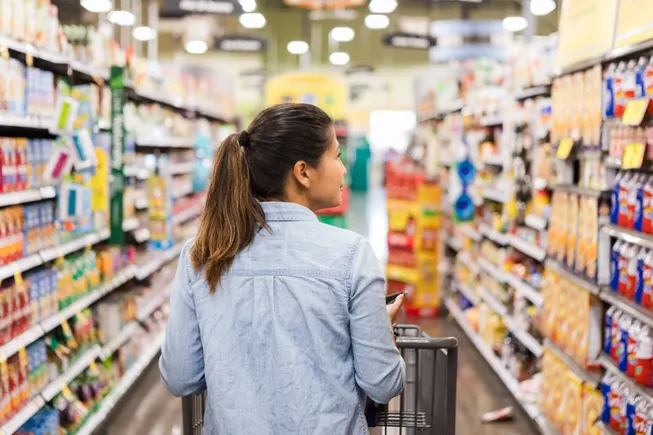
In convenience stores, grab-and-go snack decisions are often made in seconds—between the fuel pump, the cooler, and the checkout counter. Yet these quick choices are increasingly influenced by the intentions consumers carry with them: more protein, recognizable ingredients, better nutritional balance, or simply a product that feels worth stopping for.
This presents a clear opportunity to rethink the modern convenience store snack assortment, especially as more brands incorporate functional benefits into formats designed for everyday convenience.Babybel Prois one example: launching in 2026, it is a portable two-piece cheese snack made with real cheese, rich in protein, and containing live probiotics.
"We're seeing a revolution in how consumers approach snacking," said Brandon Potter, growth marketing lead at Bel Brands USA. "While taste remains essential, consumers are seeking more. Regardless of the occasion, they are more mindful and more conscious about what they eat."
Healthier snacks are gaining real momentum. In an article summarizing SPINS' State of Snacking study,The Food Institutereported that better-for-you categories saw sales grow 10% in recent months, while nearly 70% of surveyed consumers said they "often or always" actively try to make healthy choices. For convenience stores, this raises expectations in a channel long defined by impulse and immediacy.
"Operators can no longer rely on the spontaneity of traditional products if they want to stay relevant," Potter said. "A consumer looking for a balanced snack who can't find an option that meets their needs in a convenience store will simply walk away."
From impulse to intent
Consumers are demanding more from the foods they buy between meals. Enjoyment and convenience still matter, but satiety, ingredient quality, and benefits that align with people's existing eating habits are increasingly critical.
Protein has become one of the clearest examples of this added value.
"In most cases, consumers want snacks that curb hunger and keep them full for as long as possible," Potter said. "Protein content is a signal of whether a snack can do that job."
Gut health is also moving further into the mainstream wellness conversation. In an article citing Markets and Markets research,Food Navigatorreported that the global gut health market has now surpassed $71 billion and is projected to exceed $105 billion by 2030, reflecting broader demand for functional ingredients and proactive health-related products.
The rise of GLP-1 drugs may add another layer of influence. Citing Circana research,Food Divenoted that about 23% of U.S. households currently have a member using GLP-1 medications. Potter said these consumers often seek smaller portions, more frequent snacking, and multiple benefits, including protein density and probiotics.
The message for operators is straightforward: balance, value, and convenience are beginning to overlap in new ways.
Why familiarity matters
In a fast in-and-out environment, benefits need to be easy to understand. People may be open to healthier options, but they still need to recognize the product, assess the value, and make a confident choice within seconds. Familiar brands and formats help bridge that gap.
Babybel has long sat between fun and function, with its individually wrapped cheeses being portable, portioned, and easy to trust. The brand's signature red wax also offers consumers a unique snacking ritual they already know.
Bel is building on that familiarity and momentum with a $200 million investment to expand its Babybel production facility in South Dakota, and the 2026 launch of Babybel Pro. EachBabybel Pro 2CTpack contains 10 grams of protein* and billions of probiotics**, with each cheese made from real cheese and individually wrapped.
"The portability of the two-piece pack is perfect for convenience stores," Potter said. "We often see consumers eating two Babybel cheeses at a time, so this pack size naturally fits when hungry shoppers are looking for a satisfying snack."
Clear benefits, quick decisions
Benefit-driven snacks can support both traffic and basket size. More balanced options may increase a store's relevance before shoppers even walk in, while also encouraging additional purchases beyond beverages, candy, or traditional salty snacks.
The cooler remains an important part of this story, as many shoppers are already accustomed to finding beverages and chilled ready-to-eat options there, Potter said. The bigger opportunity lies in visibility: ensuring products are easy to find, clearly communicated, and consistently stocked. Simple in-store or cooler signage can highlight protein, probiotics, and real cheese content without taking up too much space.
Packaging and display-ready cases can also quickly convey information without adding shopping friction, helping operators make these options more discoverable in a fast-paced retail environment.
Positioning functional snacks
These newer options can help operators expand snacking occasions without straying from the products shoppers already expect to find.
"Chips, candy, and other traditional staples will always have a place," Potter said. "The operators who ultimately win will be those who best navigate the integration of functional snacks."
This may mean reassessing category assortments, placement, signage design, and how familiar brands can make these choices feel simple during the shopping trip. It may also mean thinking more strategically about how functional options sit alongside the core products that continue to drive the channel.
Ultimately, the opportunity lies in making the convenience store trip more worthwhile, offering snacks that combine convenience with real ingredients, clear benefits, and familiar brands consumers already trust.
Learn more aboutBabybel Prohow to bring real cheese, protein, and probiotics into the grab-and-go snacking occasion.
*See nutrition information for saturated fat content.
**Contains LGG™ probiotic cultures.